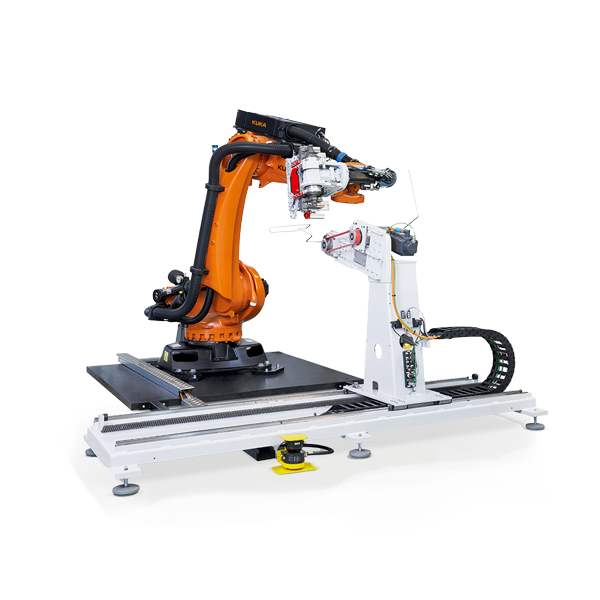
transfluid - t bend ROBOLINE

Robot bending technology

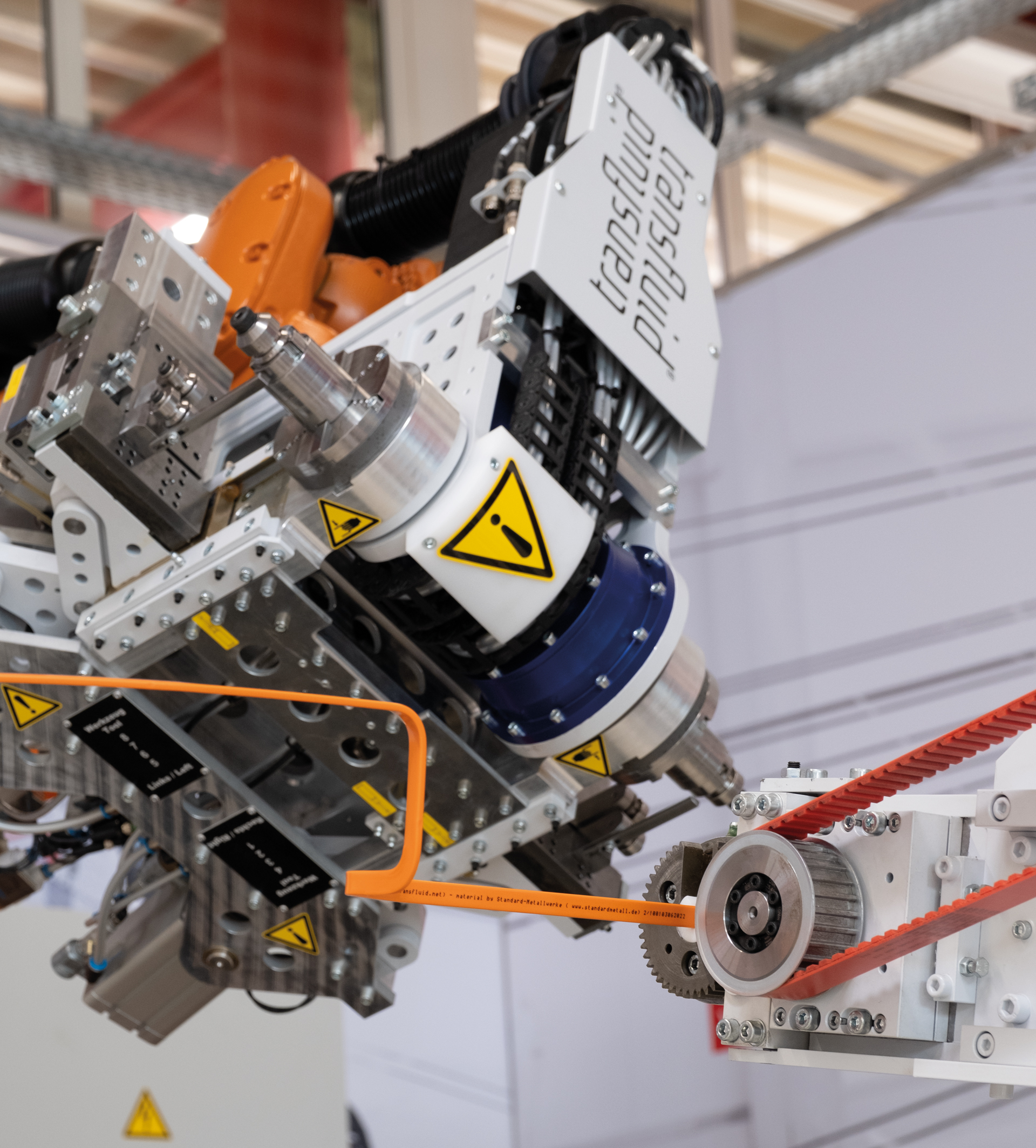
Robotergestütztes Busbar-Biegesystem mit KUKA-Industrieroboter und integriertem Biegekopf für die automatisierte Stromschienenfertigung.
  • Seamless and process-optimized - no additional handling required
  • Stable and reliable - Bending on both sides prevents vibrations in long, thin-walled parts. (Automatically integrated holding fixtures stabilize this process)
  • Dynamic and versatile - right and left bending in one clamping operation, thanks to robot head with double-sided direction of rotation

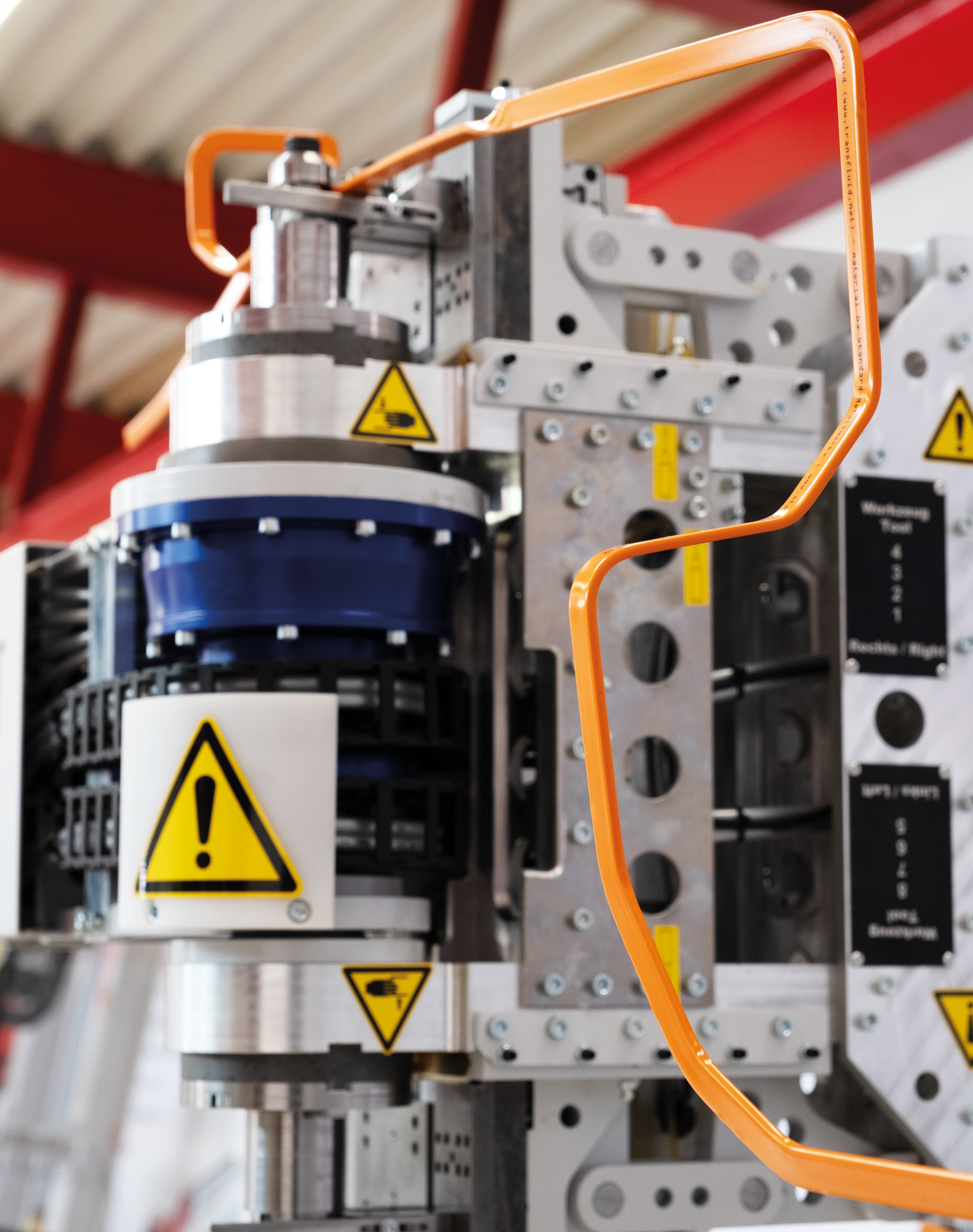
transfluid - Robot bending technology

The bending of busbars for electric cars is a crucial step that affects the efficiency and performance of these vehicles. Precision, material selection and innovative technologies are crucial to ensure that the power distribution systems in electric cars are reliable and efficient. As the automotive industry continues to grow and evolve, the technology to manufacture busbars for electric cars is also evolving to meet the increasing demands.


Transfluid has developed a bending robot specifically for the requirements in the production of busbars, which can process busbars with a cross-section of up to 60 mm² and a stretched length of up to 3,000 mm.


Processing such lengths is currently only possible with machines from a few manufacturers and can usually only be produced manually. Far too time-consuming for the requirements of the fast-paced automotive industry.

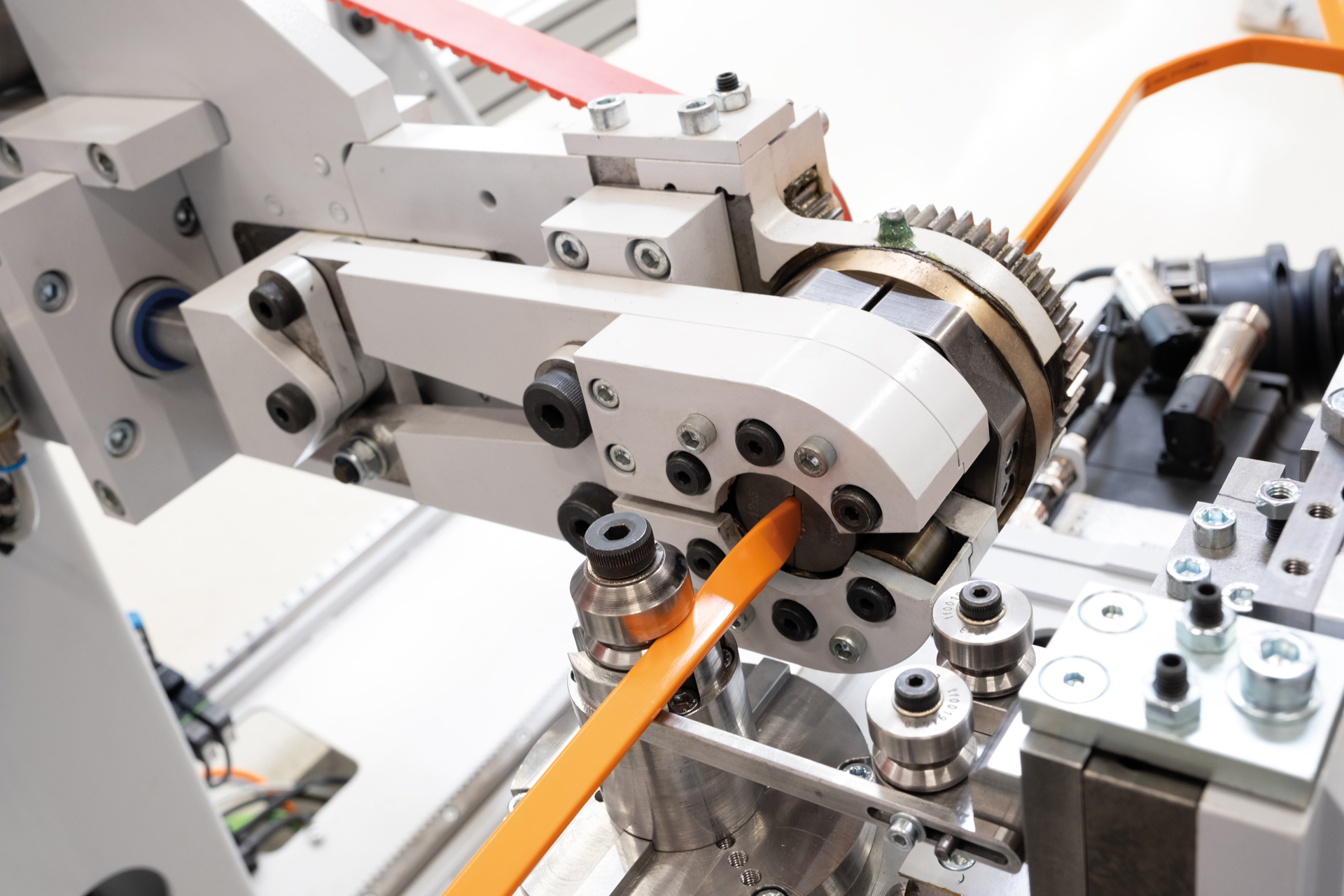
Robotergestützter Busbar-Bieger von transfluid mit integriertem Biegekopf und automatisierter Zuführung zur präzisen 3D-Bearbeitung von Stromschienen.

THE ROBOT AS A BENDING MACHINE

The robot equipped by transfluid with a special bending head breaks new ground in several respects and enables the automated production of large quantities for the first time.


Sensitive busbars, which present a challenge during handling, bending and positioning due to their low inherent stability, can be bent reliably and with repeat accuracy.


In addition to the actual bending process, the bending robot also handles the material handling for loading and unloading. This saves space and costs, as no additional handling systems are required.

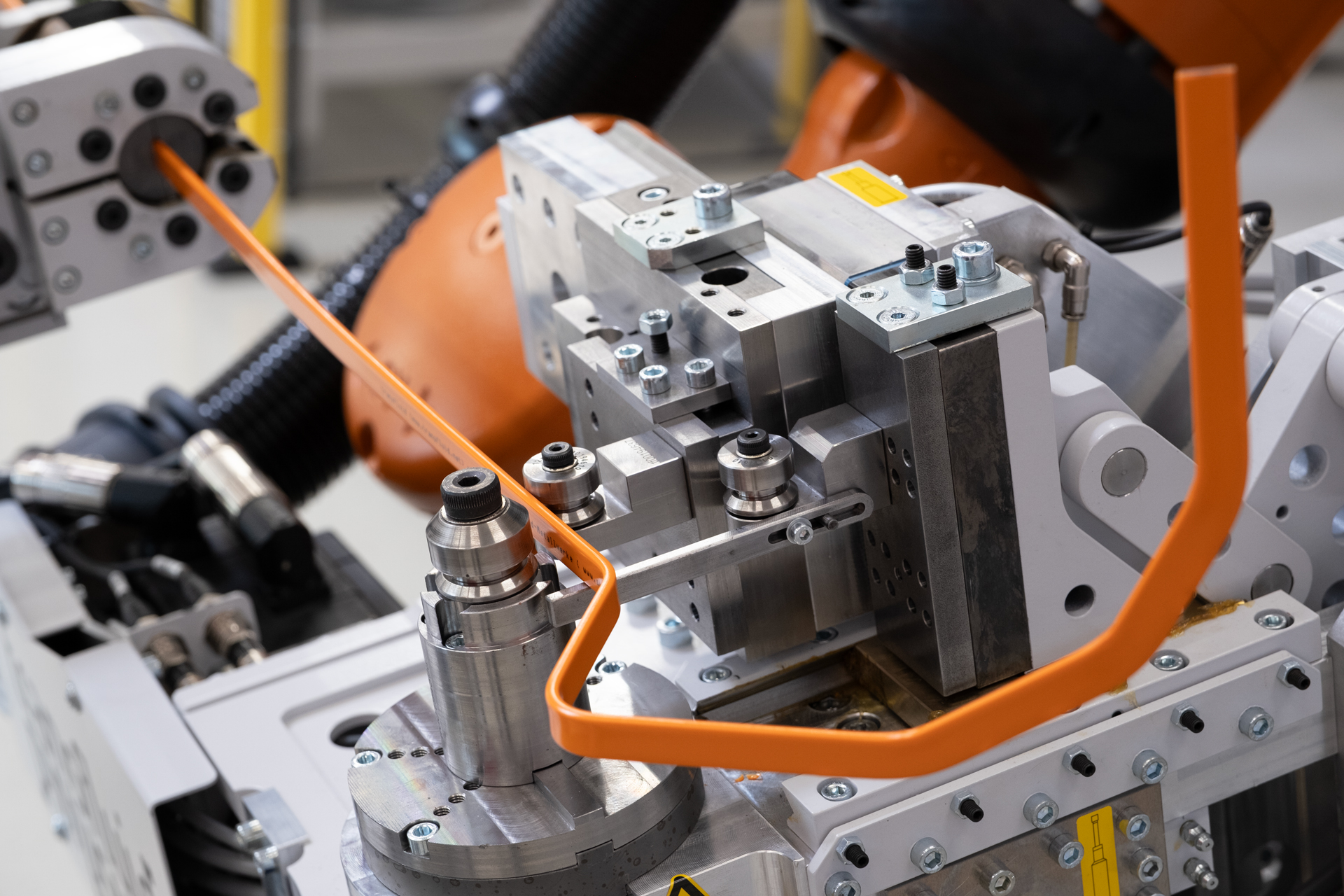
CNC-Biegeeinheit formt präzise Stromschiene in automatisierter Rohrbiegeanlage.
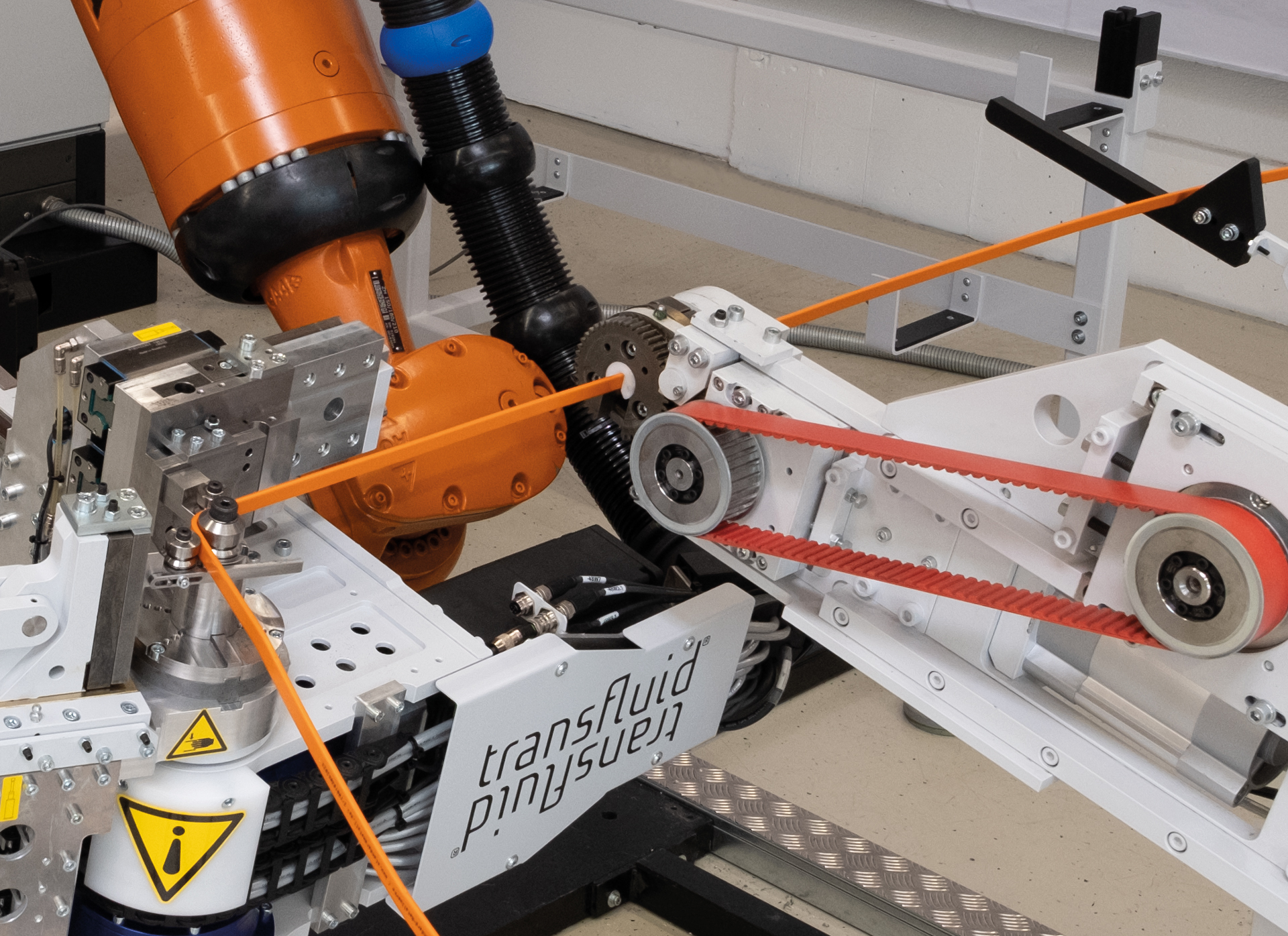
Industrieroboter biegt Stromschiene in automatisierter Busbar-Biegeanlage mit Rollenführung.

THE POSSIBILITY OF BENDING LONG CONDUCTOR RAILS.

The decisive factor is the combination of the bending head and the use of controlled supports. These enable constant support of the workpiece during the bending cycle.


The robot-assisted bending system clamps the components in the middle, thereby halving the respective processing length of the busbar. The resulting advantage is the improved stability of the workpiece during the bending process.


By positioning the bending head instead of the workpiece at the individual bending positions, vibrations and torsion are eliminated from the process. This ensures fast and repeatable production of the components.

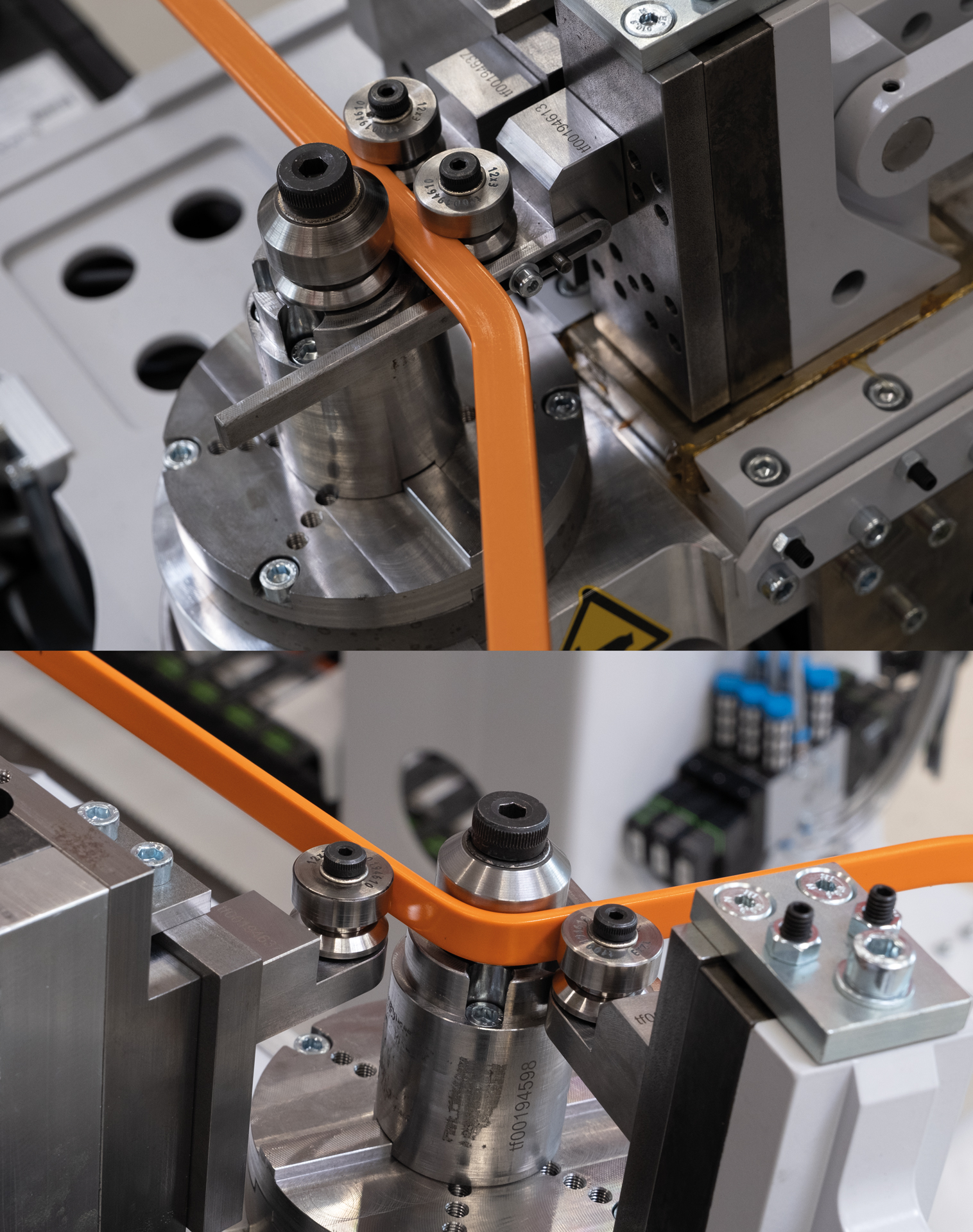
Schrittweiser Biegeprozess einer Stromschiene im Busbar-Roboterbieger mit Präzisionsrollen und formgebenden Werkzeugen.

COMPLEX SHAPES AND UNIQUE VARIATIONS.

The engineers at transfluid also equipped the bending head with a special feature. It was equipped with bending tools on both sides, which enables right-left bending in one clamping operation and allows complex shapes and unique variation options for bending geometries thanks to the head's ability to rotate.


In combination with a 360° positionable clamping unit, the tools specially developed for bending busbars offer significant advantages over other systems.


This combined tool concept allows bending on both the high and the flat side of the conductor rail without having to change the processing plane.

Verdrehung einer Stromschiene in CNC-Busbar-Biegemaschine mit Twist-Werkzeug.

OPTIMIZED TWISTING OF THE WORKPIECE.

The speed advantage achieved in this way is further increased by the possibility of twisting the workpiece. As this twist is performed during the bending process with the aid of the clamping unit (chuck) mentioned above, the conductor rail does not need to move to a new station.


In the end, this means a further optimization of the cycle time.

t cut ROTOLINE - THE SPECIALLY DEVELOPED SEPARATION SYSTEM.

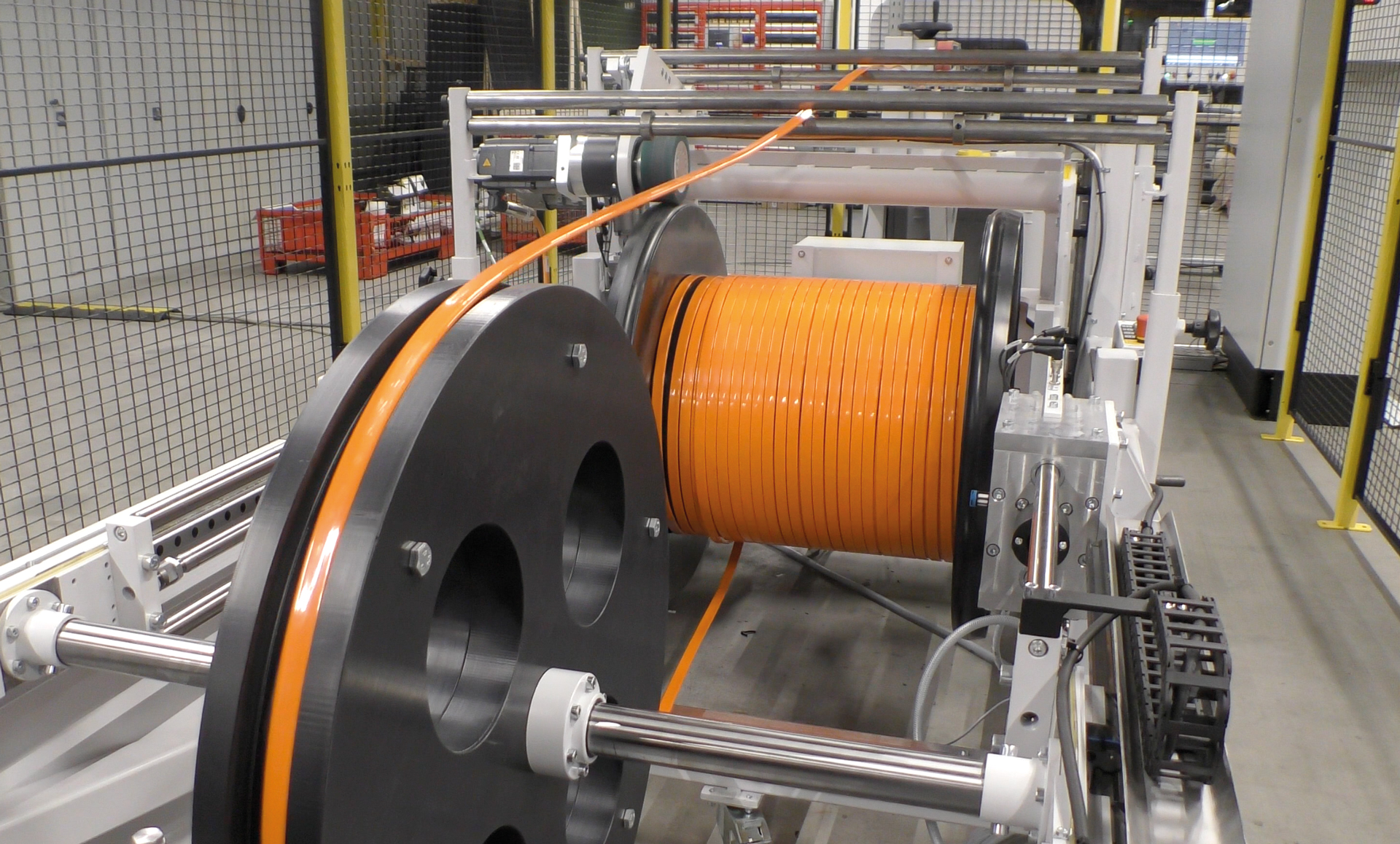
Upstream of the bending process is another innovation from transfluid. The t cut cutting system specially developed for busbars. The horizontally arranged coil unwinding unit allows large lengths of material to be fed into the process. After passing through the straightening unit, busbars are separated into equal or different lengths and then sorted and discharged.


The soft aluminum and copper material is precisely separated up to a material thickness of 40 x 5 mm by a special knife/chopper.

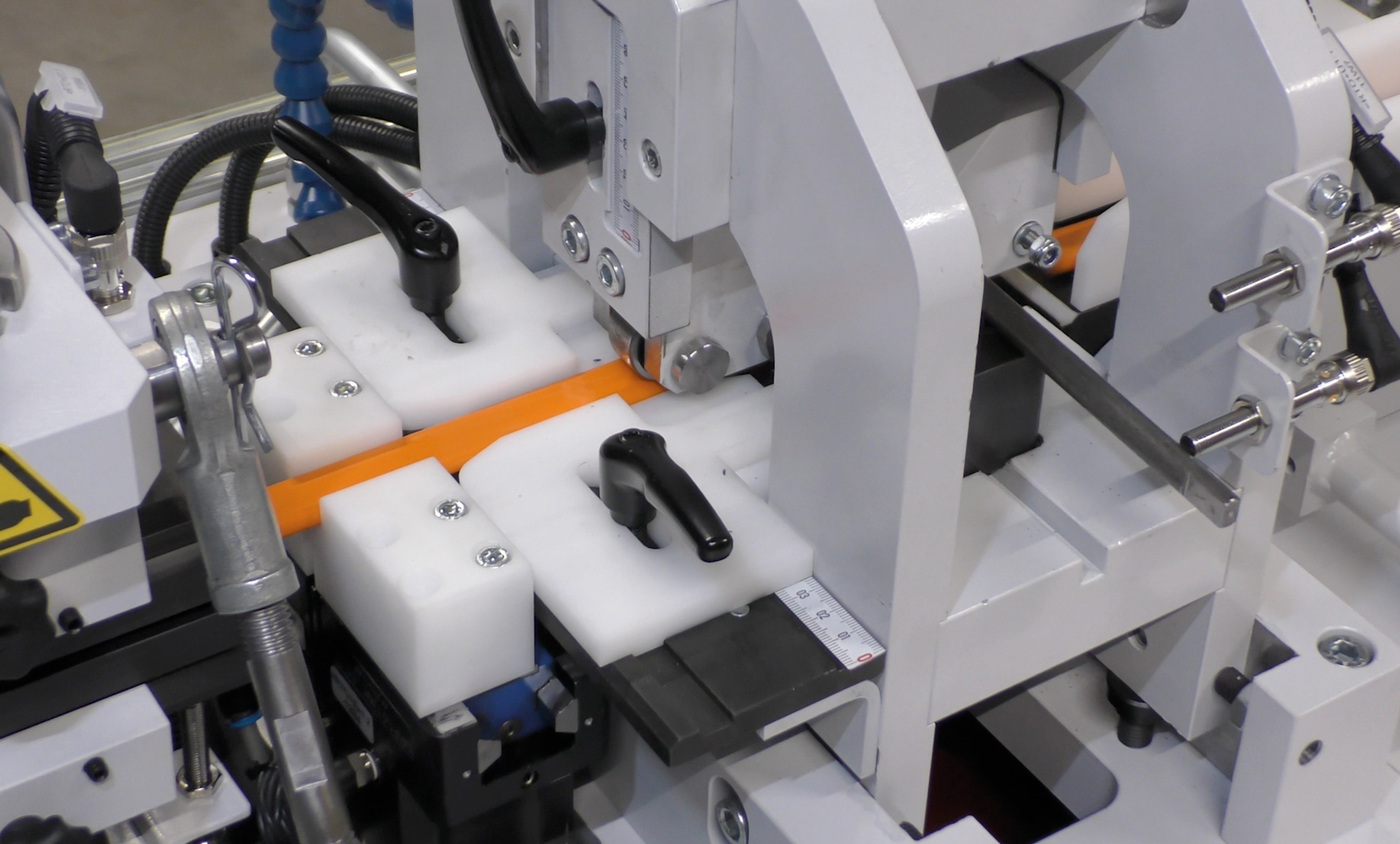
Einstellung und Fixierung einer Stromschiene im transfluid Busbar-Roboterbieger mit Spannsystem und Führungseinheit für präzise Materialpositionierung.

PRECISE CUTTING AT HIGH SPEED.

The servo-controlled feed enables absolutely dimensionally accurate cut-off lengths at high speed. Time is also saved when setting up the machine. Dimension-dependent adjustments when changing materials can be made quickly using adjusting screws on the straightening unit or adjustable clamping levers on the guide rails, for example.


Mechanical set-up is no longer necessary and is no longer required.

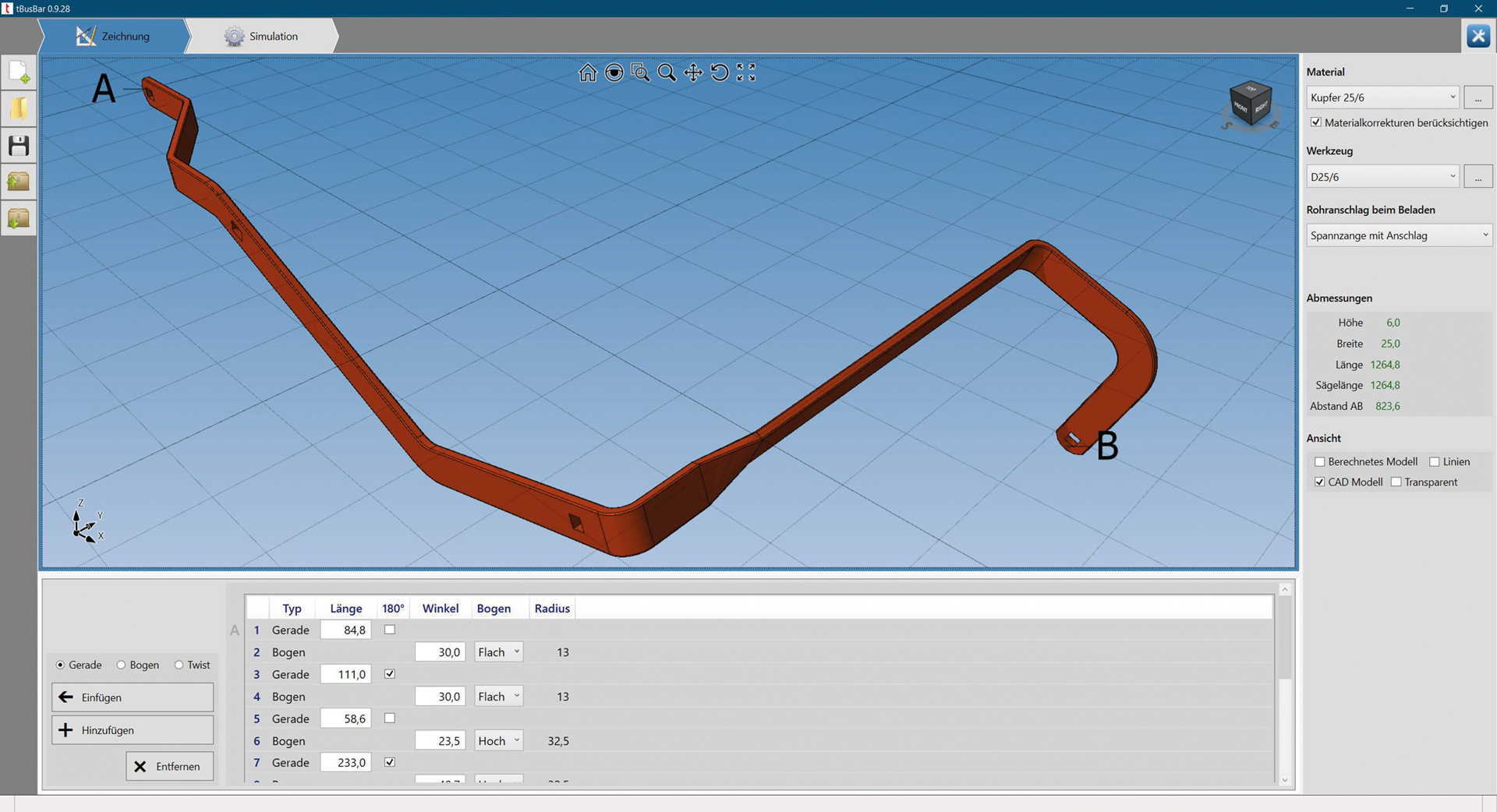
3D-Simulationssoftware für Busbar-Biegeprozesse im transfluid Robotersystem mit visualisierter Stromschienen-Geometrie und CAD-Daten.

ADVANCED SOFTWARE - PROGRAMMING IS A THING OF THE PAST.

The transfluid t cut cutting software handles the entire process efficiently and with repeat accuracy. It interacts perfectly with the t bend bending software, which controls the bending robot. This fully integrated transfluid system control offers the customer the advantage that manual teaching of the robot is no longer necessary.


All necessary settings are made as with a normal bending machine using the convenient transfluid software solutions t project and t bend control. The only difference is that the software has now been expanded to include the option of processing geometries made of flat material and simulating these bending processes in advance.

Open for third-party products.

The in-house transfluid software modules also allow the integration of third-party products. This gives the customer the option of integrating and controlling measuring systems for quality assurance or other additional processing units.

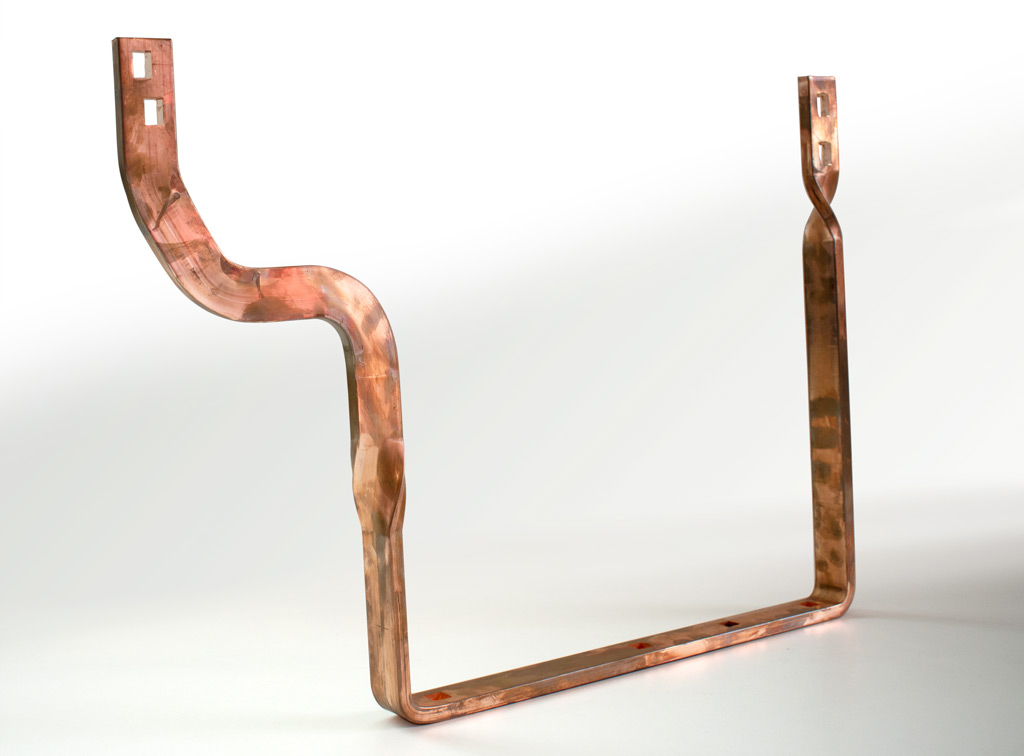
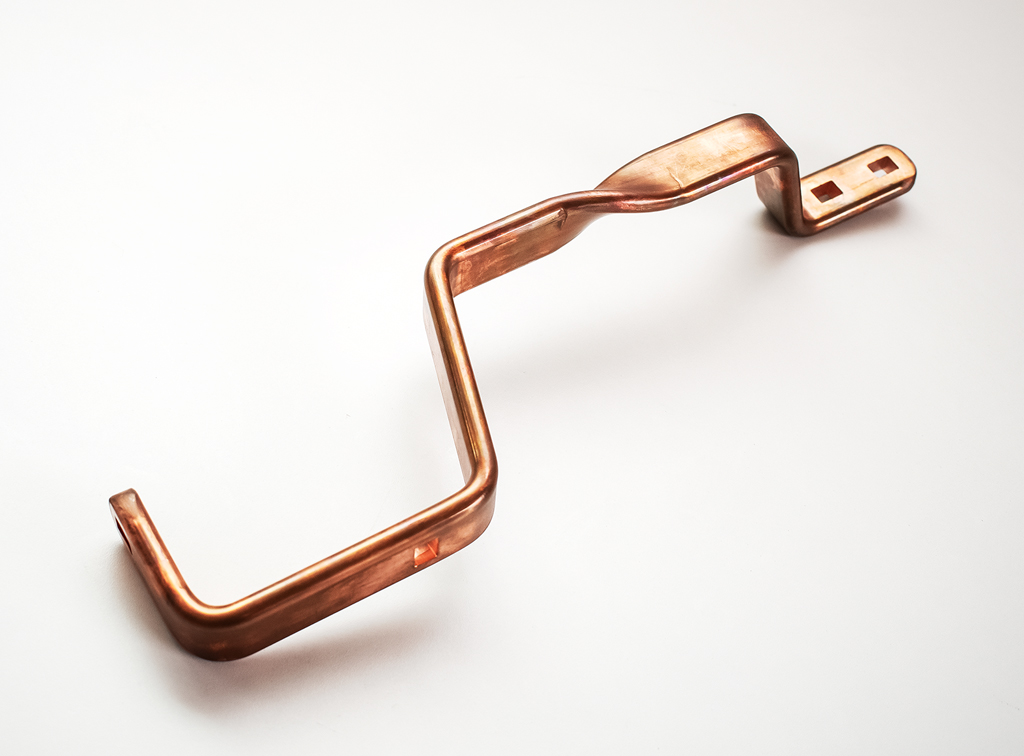
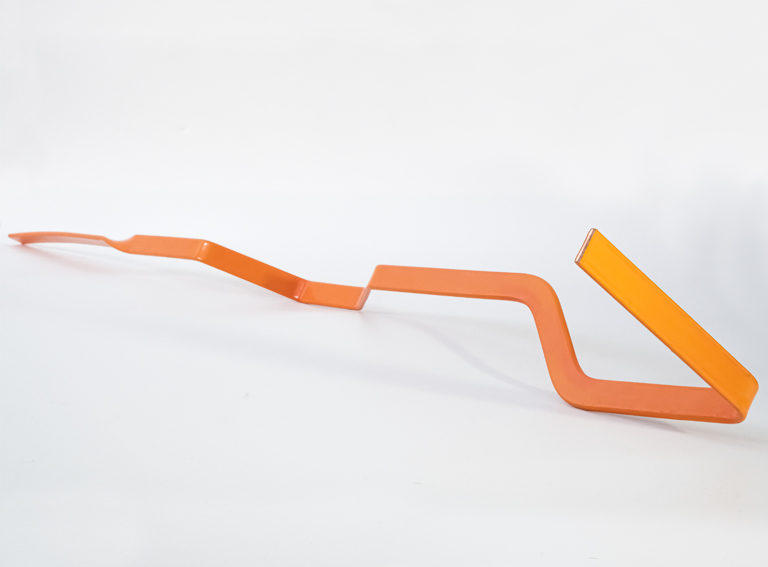
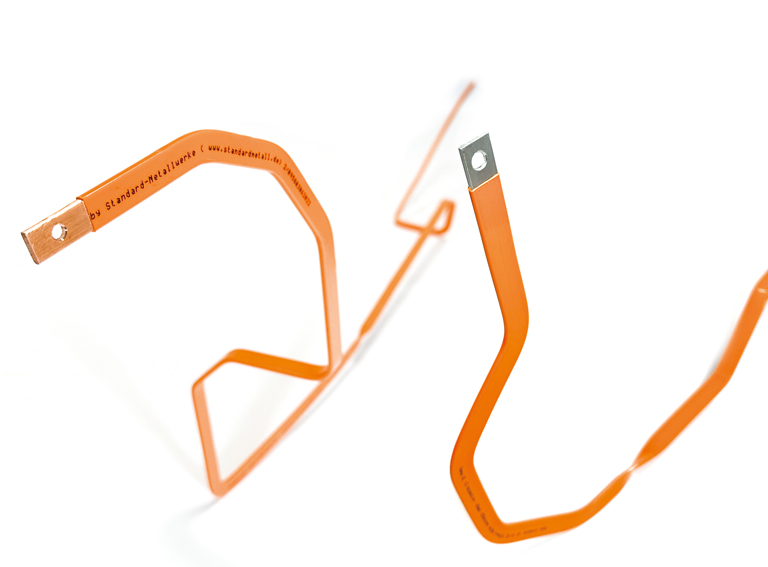
Production samples
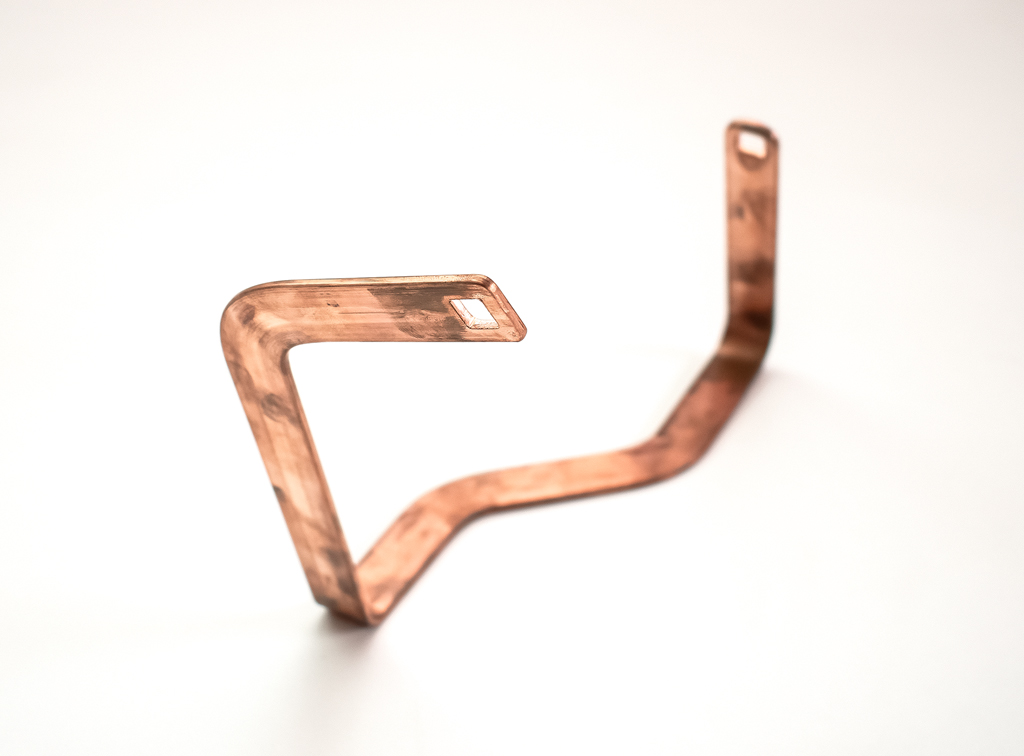
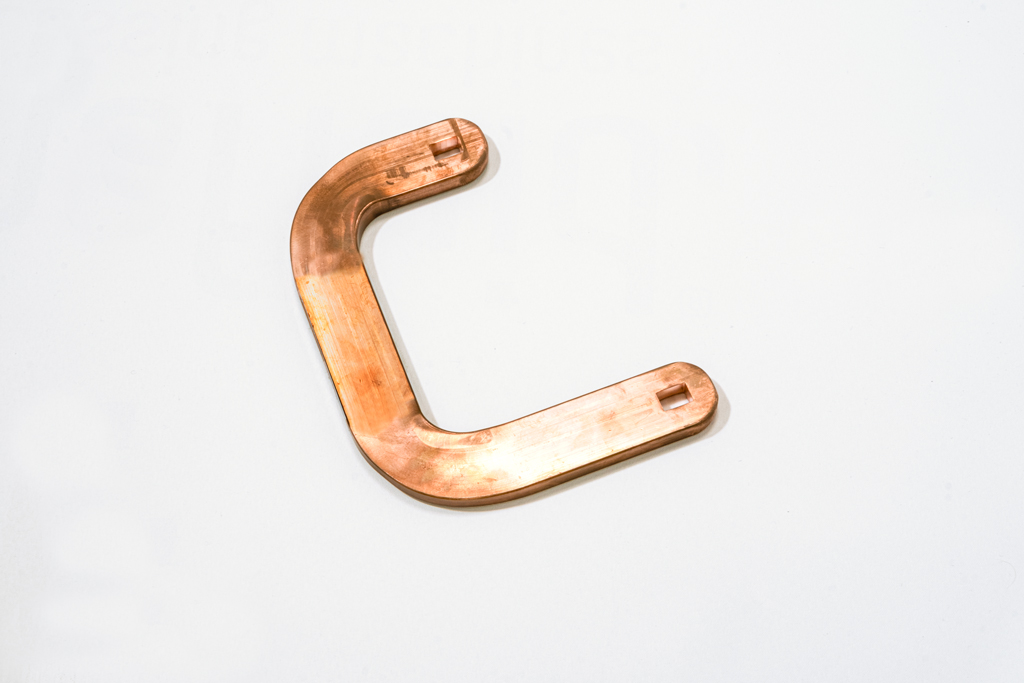
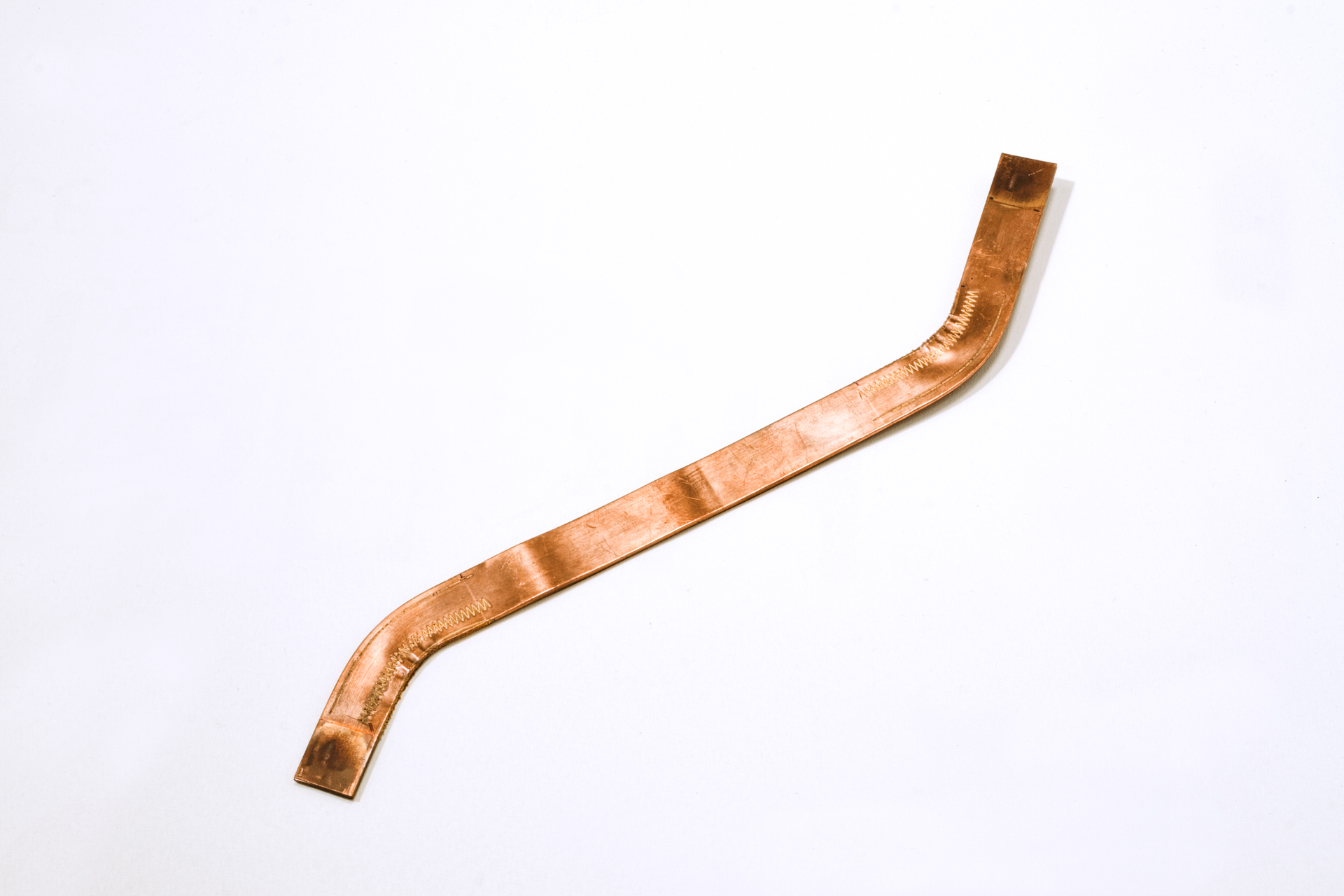
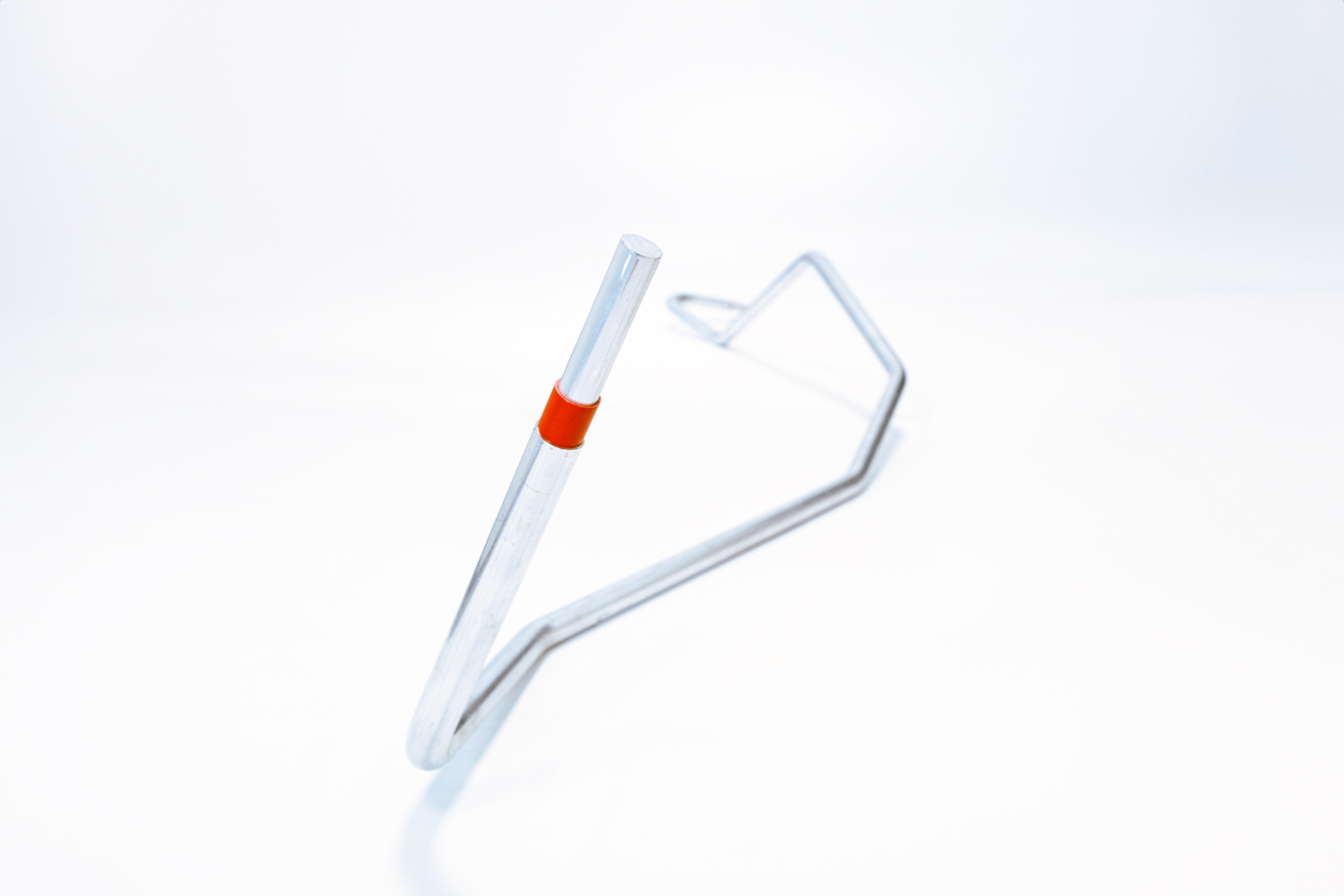
Gebogene Kupfer-Stromschiene (Busbar) mit gestanzten Kontaktflächen für elektrische Anwendungen. Gebogene Kupfer-Stromschiene (Busbar) mit komplexer Geometrie und gestanzten Anschlussflächen Komplex gebogene Kupfer-Stromschiene (Busbar) mit Anschlusskontakten. Beschichtete Kupfer-Stromschiene (Busbar) mit gebogener Geometrie für elektrische Anwendungen. Gebogene, isolierte Kupfer-Stromschienen (Busbars) mit Anschlussbohrung. Gebogene Kupfer-Stromschiene (Busbar) mit gestanzten Anschlussflächen. Flach gebogene Kupfer-Stromschiene (Busbar) für Hochstromanwendungen. Gebogene Stromschiene (Busbar) mit isoliertem Kontaktbereich.

Don't know exactly what you need?

We will find the right machine for your individual requirements. Our team of experts will be happy to advise you.

Porträt eines lächelnden Mitarbeiters mit Bart in einer Produktionshalle, getragenes weißes Hemd mit Firmenlogo.